Understanding Sandwich Delivery Services in the United States
An informational guide explaining how sandwich delivery systems typically operate.
What Is Sandwich Delivery?
Sandwich delivery is a service that brings prepared sandwiches from restaurants, delis, or food establishments directly to customers' locations. This service bridges the gap between the convenience of home or office dining and the quality of freshly prepared food from local establishments.
Local Shops
Independent sandwich shops and delis often offer their own delivery services, maintaining direct relationships with customers and ensuring quality control throughout the delivery process.
Delivery Platforms
Third-party delivery services connect multiple restaurants with customers through centralized apps, offering a wide variety of options and standardized delivery experiences.
Pickup vs Delivery
While delivery offers maximum convenience, pickup options are often available for customers who prefer to collect their orders directly from the restaurant location.
The Delivery Process Explained
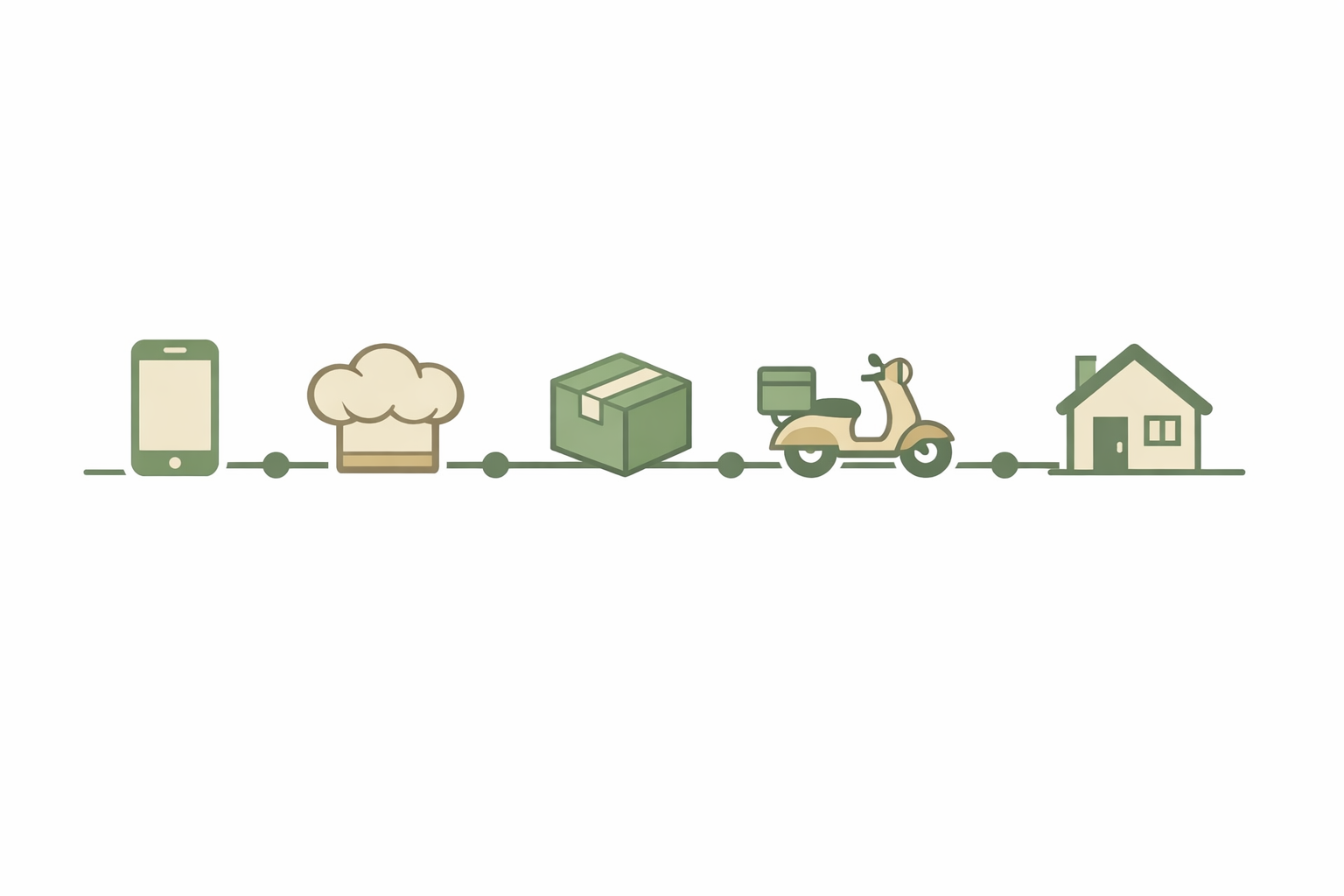
Understanding how sandwich delivery works helps set proper expectations for timing, quality, and service. The process typically follows a structured timeline from order placement to final delivery.
Step 1: Order Placement
Customers place orders through various channels including phone calls, websites, or mobile applications. Orders typically include sandwich selections, customization requests, and delivery instructions.
Step 2: Food Preparation
The restaurant prepares the sandwich according to the order specifications. This step includes assembling ingredients, toasting when requested, and ensuring quality standards are met.
Step 3: Packaging & Temperature Control
Sandwiches are carefully packaged to maintain temperature and freshness during transport. Proper packaging prevents ingredients from shifting and preserves the sandwich's structural integrity.
Step 4: Dispatch Assignment
A delivery driver is assigned to the order. In modern systems, this assignment often happens automatically based on driver availability, location, and route optimization algorithms.
Step 5: Final Delivery
The driver transports the order to the customer's location. Many services now offer contactless delivery options, where orders are left at a designated spot to minimize direct interaction.
Delivery Coverage Areas
Sandwich delivery availability varies significantly based on geographic location, restaurant density, and infrastructure. Understanding coverage patterns helps customers set realistic expectations.
Distance Limitations
Most delivery services operate within specific radius limits from restaurant locations, typically ranging from 3 to 10 miles, depending on the service model and area.
Urban Availability
Urban areas generally have more extensive delivery coverage due to higher restaurant density, shorter distances, and better infrastructure for delivery operations.
Suburban Patterns
Suburban coverage can be more limited but is expanding as delivery services adapt to serve residential areas with different transportation challenges.
Business Districts
Commercial areas often receive priority delivery service due to high lunch demand and the concentration of office workers seeking convenient meal options.
Residential Service
Home delivery availability varies by neighborhood density, with apartment complexes and townhouse communities typically receiving better service than scattered single-family homes.
Delivery Costs & Expectations
Understanding the cost structure of delivery services helps customers make informed decisions and plan accordingly. Delivery pricing typically includes several components.
Delivery Fees
Delivery fees cover the cost of transportation and logistics. These fees vary based on distance, time of day, and demand levels. Many services implement dynamic pricing during peak hours.
Service Charges
Service fees support the operational costs of delivery platforms, including technology infrastructure, customer service, and platform maintenance. These are typically percentage-based charges.
Driver Tipping
In the United States, tipping delivery drivers is customary and often expected. Tips typically range from 15% to 20% of the total order value, with higher tips during challenging conditions.
Peak Hour Delays
During lunch rush hours (typically 11 AM - 2 PM), delivery times may increase significantly due to higher order volumes. Planning ahead during these periods can help avoid delays.
Purpose of This Guide
This informational resource serves as an educational guide to help consumers understand the mechanics, economics, and logistics of sandwich delivery services in the United States. Our goal is to provide clear, unbiased information that helps individuals make informed decisions about delivery services.
We believe that understanding how delivery systems work—from order placement to final delivery—empowers customers to have better experiences and set appropriate expectations. This guide covers the fundamental aspects of delivery operations, coverage areas, cost structures, and common questions.
As an independent informational platform, we do not endorse any specific delivery services or restaurants. Our focus remains on educating the public about the delivery industry as a whole, helping consumers navigate the increasingly complex landscape of food delivery options.